Seasonal Community Events Organized by Local Libraries

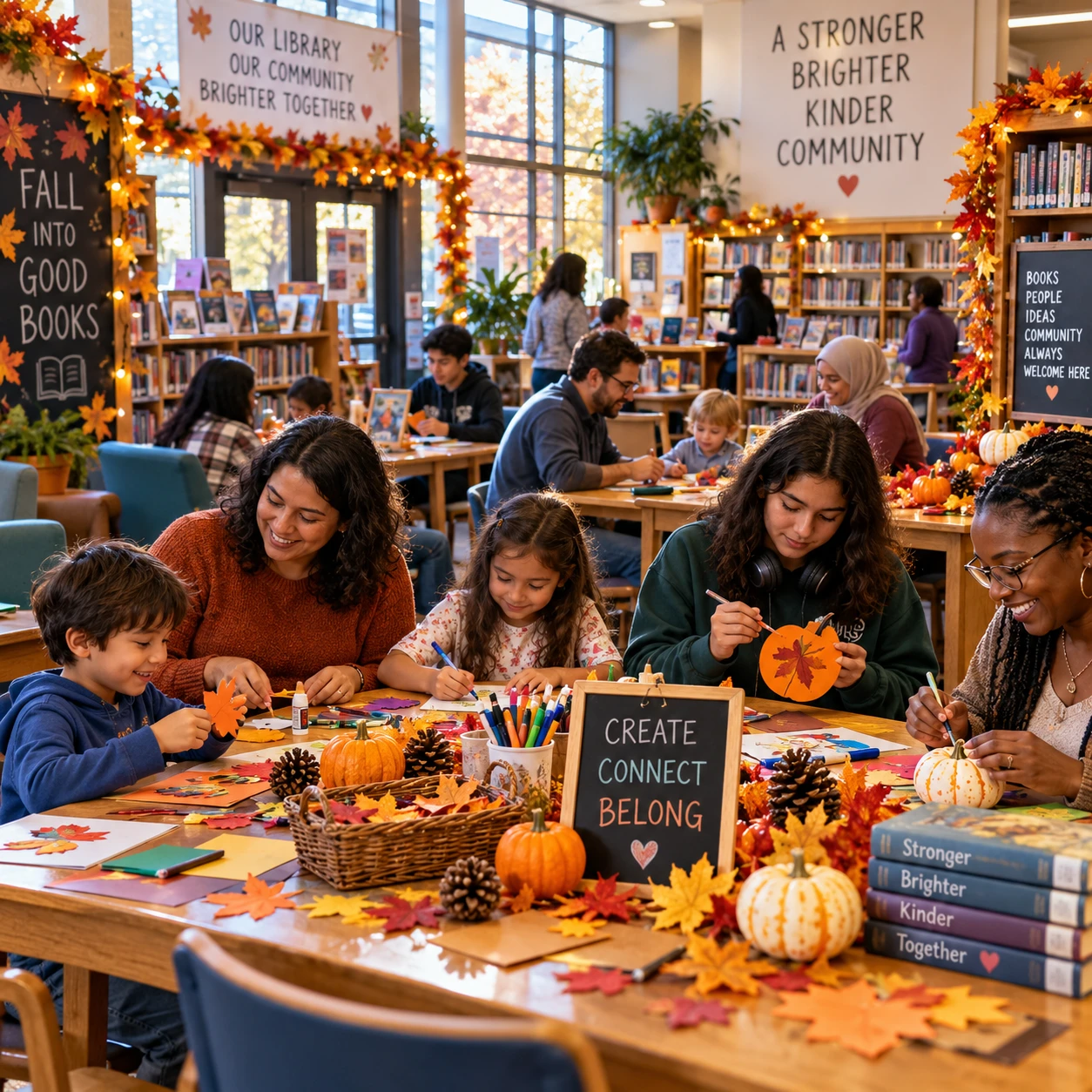
A local public library can be a lively community gathering place in every season. Alongside books and digital resources, many libraries offer seasonal events and community programs that bring children, families, teens, and adults together to learn, make things, and meet neighbors.
Activities vary with local interests, staff, budgets, facilities, and weather. A spring craft session or a winter reading challenge may be available at one branch but not another. Checking the library’s current event calendar is the best way to learn what is planned and how to join.
What counts as a seasonal library event?
A seasonal library event is a program shaped by the time of year, a holiday, or a local community interest. These events might include reading activities, workshops, performances, outdoor gatherings, or practical learning sessions, depending on what each library can offer.
Seasonal programming often follows a familiar rhythm. In warmer months, libraries may use outdoor spaces or plan activities around nature and summer reading. During colder or wetter weather, programs may move indoors, with crafts, book discussions, and family events. Holidays can inspire themed activities, but a seasonal event does not need to be tied to a holiday; a gardening workshop in spring or a year-end book swap can be seasonal too.
Libraries choose programs based on the people they serve and the resources available. A branch near a park might host storytime outdoors, while another may focus on indoor workshops or guest speakers. In both cases, the aim is to connect library resources with community life. Events can encourage reading and creativity, introduce people to new skills, and make it easier to discover what the library offers.
Spring and summer events for learning and getting together
Spring and summer library events often make room for outdoor activities, reading programs, and hands-on learning. Depending on the library and local setting, visitors may find family gatherings, creative workshops, or programs that encourage people to explore their neighborhood.
Possible spring activities include seed-starting sessions, nature-themed storytimes, poetry workshops, and craft sessions using seasonal materials. Some libraries partner with local organizations or invite educators to lead talks. These examples are possibilities, not a standard schedule: space, staffing, weather, and community demand all affect what a library can arrange.
Summer reading programs are a familiar option at many libraries. They can give children and teens a reason to keep reading during school breaks, while some programs welcome adults too. Activities may include reading logs, book recommendations, group challenges, author visits, or related creative projects. A reading program can help participants explore books at their own pace, though the format and any rewards differ from library to library.
When an event takes place outdoors, check the listing for a backup plan. Ask whether the program moves indoors in bad weather, whether the site is accessible, and if participants should bring anything. A little preparation can prevent a long trip for an event that has changed location.
Fall and winter programs that bring the community indoors
Fall and winter library programs often combine seasonal celebrations with indoor reading, crafts, and practical learning. Libraries may offer family activities, book-centered gatherings, or workshops that give people a warm place to spend time together.
Fall events might include costume or story themes, harvest-inspired crafts, book displays, or activities connected to local history and traditions. Winter programming can feature hands-on projects, family storytimes, reading challenges, or performances. Some libraries also schedule practical sessions, such as help with using digital services, basic technology workshops, or talks on topics residents have requested.
These programs can serve different purposes. A craft session gives participants a chance to create something and share ideas; a book discussion can help readers find new authors and hear different perspectives. Seasonal events may also introduce people to library services they have not used before, including meeting rooms, collections, or learning resources.
Busy periods can mean limited places or changes to a schedule. Before setting out, confirm the event time, location, and registration status. If you are attending with children, check the age guidance and whether an adult must stay for the program. Planning ahead is especially useful for events with limited seating or materials.
Events for children, teens, adults, and families
Local library events can serve a range of ages, from young children and families to teens and adults. The mix depends on each library, so look for the stated age range and format rather than assuming an activity is suitable for everyone.
For children and families, libraries may offer storytimes, seasonal crafts, puppet shows, reading challenges, or activities designed for caregivers and young children to enjoy together. These programs can make reading social and give families an easy way to spend time at the library. Check whether the listing specifies a minimum age, caregiver participation, or a recommended reading level.
Teen programs may include book clubs, art or maker workshops, gaming sessions, writing activities, or volunteer opportunities. A welcoming teen program gives young people room to follow their interests and contribute ideas. However, not every branch has the same staff or equipment, so the available options can differ considerably.
Adult learning and activities may include craft sessions, discussion groups, guest talks, language practice, technology help, or creative writing. Some events suit beginners, while others assume prior experience. The event description should help clarify the level and any materials participants need.
Families and mixed-age groups can look for events designed for shared participation, but it is wise to confirm the format. A program listed as family-friendly may still have a specific age focus or require children to attend with an adult.
How to find and prepare for local library events
To find local library events, check the library’s current event calendar, branch notices, newsletters, and official social media accounts. Then confirm the event details directly with the library, especially if you need to register or have accessibility questions.
Start with the library website and choose your nearest branch if the system serves multiple locations. Search its calendar by date, age group, or program type. Printed calendars, email newsletters, and notices at the service desk can help if you prefer not to search online. If details are unclear, call or email the branch; staff can often explain whether an event is appropriate for your group.
Before attending, confirm these details:
- Date, time, and location: Check whether the event is at your usual branch, another branch, or an off-site location.
- Cost and registration: Find out if the event is free, requires advance sign-up, or has limited places. Do not assume all programs have the same policy.
- Age range and format: Check who the activity is for, whether caregivers must stay, and whether it is drop-in or structured.
- Accessibility: Ask about step-free access, seating, restrooms, sensory considerations, language support, or other accommodations relevant to your visit.
- Materials and changes: See whether you need to bring supplies and how the library will share cancellations or weather updates.
Online information may not always reflect a last-minute change, and a listing may not answer every access question. Contacting the library ahead of time can save a wasted trip and help staff make suitable arrangements where possible.
Take part, volunteer, or suggest an event
You can support seasonal library events by attending, sharing feedback, volunteering where opportunities are available, or suggesting a program that fits local interests. A specific, practical suggestion is easier for staff to assess than a broad request for more activities.
Start by asking the library whether it accepts event ideas or community volunteers. Policies vary: some programs need advance screening, training, or a formal application, while others may welcome a one-time contribution from a local partner. If you represent a school, community group, or nonprofit, explain the audience you serve, the activity you can offer, and what support you would need from the library.
When proposing an event, include a few useful details:
- Who the program is for and how many people might attend.
- What participants would do and how long the activity would take.
- Any space, equipment, materials, or accessibility needs.
- Whether you can lead the session, assist library staff, or help promote it.
Feedback after an event can shape future community programs. Tell staff what worked, what was difficult to access, and what you would like to see next season. Even a short comment helps libraries understand local interests and plan within their available time, budget, and space.
Frequently asked questions about seasonal library events
Event policies vary by library and program, so the current listing or branch staff are the most reliable sources for details. These answers offer a starting point.
Are local library events usually free?
Many library events are free, but this is not guaranteed. Some programs may charge for materials, require a ticket, or have a limited number of places. Check the event listing before attending.
Do I need to register in advance?
Some events welcome drop-in visitors; others require advance registration because space or supplies are limited. Follow the instructions in the calendar listing, and contact the branch if the sign-up process is unclear.
How can I find seasonal events at my library?
Look at the library’s official website and event calendar, then check newsletters, branch notices, or official social media for updates. Search by branch and confirm the details close to the event date.
Can I suggest an event or volunteer?
Often you can ask, though each library sets its own process. Contact staff with a concise idea or ask whether volunteer roles are available and what requirements apply.
Are library events open to non-members?
Some events are open to everyone, while others may prioritize library cardholders or residents in a service area. The event description or library staff can confirm any restrictions.