Volunteer Opportunities at Community Centers and Libraries

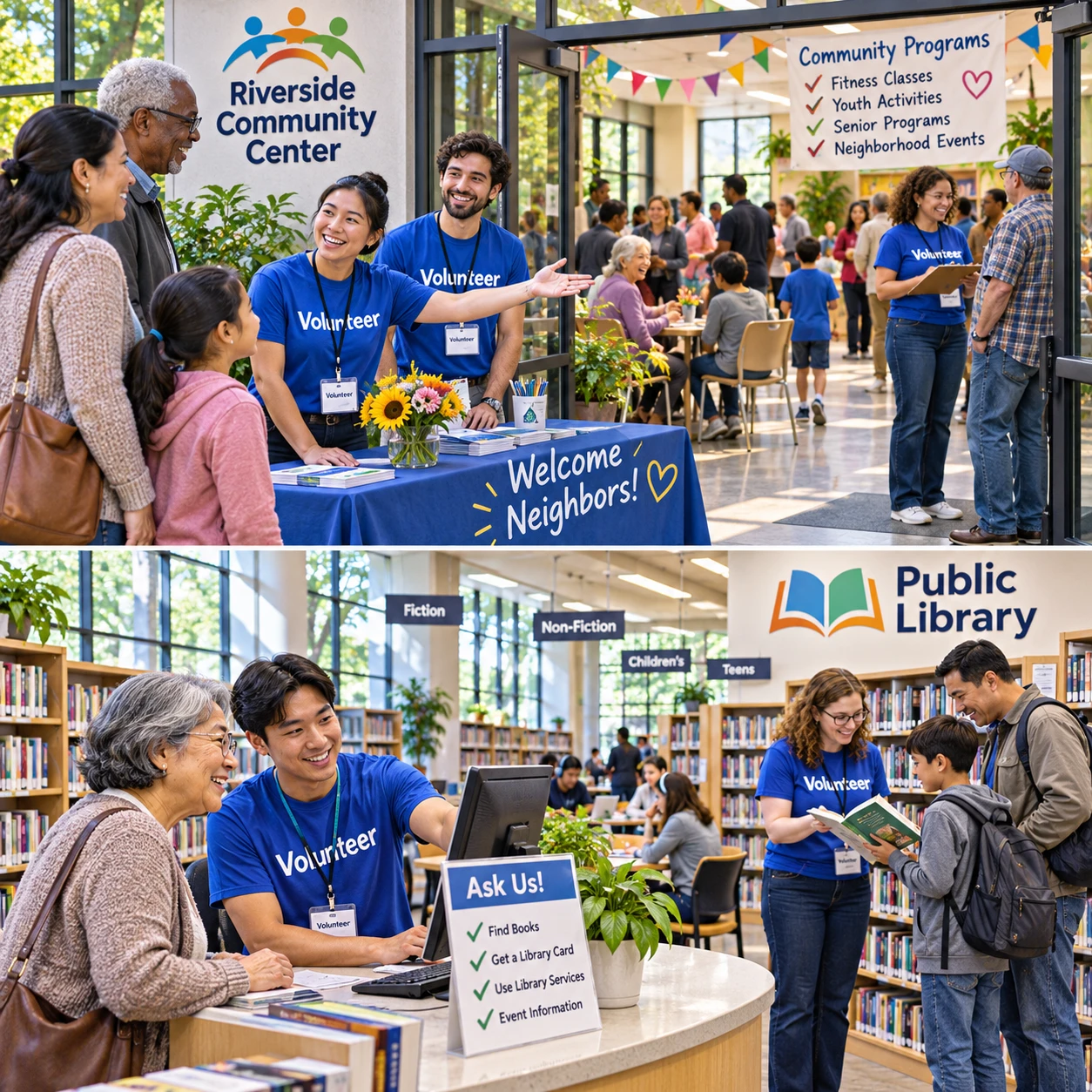
Volunteering at a community center or public library is a practical way to support local programs, meet neighbors, and share skills. Opportunities can include helping with community events, children’s activities, adult learning, recreation, or everyday library services. The roles and requirements vary by location, so the best first step is to contact the organization you’re interested in.
Why volunteer in your community?
Volunteering supports the local programs and welcoming public spaces that residents rely on. By giving time to a community center or public library, you can help activities run smoothly while getting to know people in your neighborhood.
Community centers often bring residents together through recreation, classes, and family events. Libraries connect people with books, technology, learning resources, and public programs. Volunteers may welcome visitors, prepare materials, assist staff, or help participants feel included. Even a short, regular shift can make a difference when it meets a real need.
Volunteering can also help you explore interests, practice communication, or contribute a skill you already have. But it is a community commitment, not a paid role or a guaranteed route to employment. Ask what the organization needs and what the role involves before signing up. A good match works for both the volunteer and the people the program serves.
Volunteer roles at community centers
Community center volunteers commonly assist with events, recreation programs, and learning activities. The exact tasks depend on the center’s current programs, staffing, and volunteer policies.
For a community event, volunteers might set up chairs, prepare activity tables, greet guests, distribute supplies, or help with cleanup. Recreation support can include organizing equipment, checking participants in, or assisting staff during a class or drop-in activity. Volunteers generally support the program lead rather than supervise activities independently.
Learning and social programs offer other ways to contribute. Depending on the center, volunteers may help prepare materials for adult learning, support a conversation group, or assist with family activities. A person who enjoys hands-on tasks may prefer event setup; someone comfortable welcoming new people might be better suited to reception or program support.
- Community events: Guest welcome, setup, wayfinding, supplies, and cleanup.
- Recreation programs: Equipment preparation and participant support under staff direction.
- Learning activities: Material preparation or logistical help for classes and group sessions.
- Children’s activities: Activity preparation and support where the center permits volunteers and provides appropriate supervision.
Some assignments involve physical tasks, busy rooms, or direct contact with children and other participants. Ask about the setting and responsibilities before accepting a shift, especially if you need an accessible role or a quieter environment.
Volunteer roles at libraries
Public library volunteers may support programs, collections, technology assistance, or special events. Each library decides which tasks volunteers can perform and which must remain with trained staff.
Program support may include setting up a room, preparing craft materials, greeting attendees, or helping a children’s activity run on time. Collection-related tasks can sometimes involve sorting or shelving items, but library procedures differ, and some locations do not use volunteers for these duties. Special events, such as reading programs or community celebrations, may need help with registration, directions, and supplies.
Libraries also serve people with different levels of comfort using digital tools. If a library offers volunteer technology help, the role may involve assisting visitors with basic tasks under staff guidance. Confirm the expected level of knowledge and whether volunteers may handle personal devices, accounts, or sensitive information. Privacy rules matter in a library setting.
- Children’s and family programs: Help prepare activities and welcome participants.
- Collections: Ask whether sorting, shelving, or other book-related support is available.
- Technology help: Some libraries may need support for basic digital learning, with clear boundaries and staff oversight.
- Events and reading programs: Assist with setup, check-in, materials, and visitor questions.
A library role may suit someone who likes organized tasks and public service. However, volunteers do not usually replace librarians or independently provide services that require staff training. The volunteer coordinator can explain what the position does and where staff remain responsible.
How to choose the right opportunity
Choose a volunteer opportunity by matching the task, setting, schedule, and eligibility rules to what you can genuinely offer. A role that fits your interests and availability is more sustainable than one chosen only because it sounds appealing.
Start with a simple four-part check: interest, skills, access, and time. Interest is the kind of work you enjoy, such as helping at events or supporting learning. Skills include useful strengths, from speaking another language to organizing supplies. Access covers age eligibility, mobility, transportation, and any screening requirements. Time means the days and hours you can reliably attend.
Then compare the environment. A community center may be lively and social, with activities happening across a large room. A library may offer quieter, structured tasks, though public programs can be busy too. Neither setting is always one way; ask what a typical shift looks like.
- If you enjoy meeting people, ask about greeting visitors or event check-in.
- If you prefer practical tasks, ask about setup, supplies, or collection support.
- If you have experience with learning or technology, ask whether a supervised program needs that skill.
- If your schedule changes often, look for one-time events or ask whether flexible shifts are available.
Before committing, clarify the physical demands, supervision, training, and expected length of service. A one-off event can be a useful way to test the setting, if offered, while a recurring role may provide more continuity for the program.
How to find and apply for local roles
To find local volunteer roles, check the community center and public library websites, then contact their volunteer coordinators directly. Current openings and application steps are location-specific, so verify details before planning around a role.
Look for pages labeled “Volunteer,” “Get involved,” or “Community programs.” You can also call or visit the organization and ask whether it accepts volunteers, which programs need help, and when applications open. If no volunteer coordinator is listed, ask who handles volunteer inquiries.
When you reach out, make your message specific and brief. Mention the activities you are interested in, your general availability, and any relevant experience or skills. You do not need a polished résumé for every opportunity, but follow the organization’s stated application instructions. Some may use a form, interview, reference check, or background screening; others may have a simpler process.
Useful questions include:
- What volunteer roles are currently open, and what tasks do they involve?
- What age requirements, screening, or references apply?
- How often are shifts scheduled, and how far ahead are they confirmed?
- Is orientation or role-specific training provided?
- Who should I contact if I need to reschedule or have an access need?
Keep a note of whom you contacted and when. If you do not hear back, a polite follow-up after a reasonable interval is appropriate. Openings can depend on program calendars and staff capacity, so a lack of an immediate vacancy does not necessarily mean the organization never uses volunteers.
What to expect after applying
After you apply, the organization may review your information, arrange screening, and invite you to orientation or training before assigning a shift. The process varies by role, age, and local policy.
A volunteer coordinator may discuss your interests and availability, explain the position, and confirm expectations. Roles involving children or other groups that need added safeguards may require additional screening. Do not assume the same checks apply everywhere; ask the organization which steps are required and how long they may take.
Orientation usually explains practical details such as where to report, whom to ask for help, safety procedures, privacy expectations, and how to record attendance. Role-specific training may cover program materials, equipment, or boundaries when working with participants. Take notes and raise questions before your first shift, rather than guessing in the moment.
Scheduling can be regular or occasional. Confirm the start and end time, cancellation process, dress expectations, and whether you should bring anything. If your availability changes, tell the coordinator promptly. Reliable communication helps staff plan and keeps community programs running smoothly.
Frequently asked questions
Volunteer requirements differ between organizations, so confirm age eligibility, experience, time commitments, and role boundaries with the local volunteer coordinator. These answers describe common possibilities, not universal rules.
Do community centers and libraries have age requirements for volunteers?
Many organizations set minimum ages, and some allow younger volunteers only with a parent, guardian, or designated supervision. Requirements can also differ by activity. Ask whether there are roles for teens, adults, or families volunteering together.
Do I need previous experience?
Many support roles do not require previous volunteer experience. Reliability, respectful communication, and willingness to follow staff instructions are often useful. Specialized tasks, such as technology assistance, may call for relevant knowledge or additional training.
How much time do volunteers usually commit?
There is no standard commitment. Some opportunities are one-time events; others involve a recurring shift or a program-season commitment. Ask about the minimum schedule before applying and choose one you can keep.
Can I volunteer with children’s programs?
Possibly, if the organization has a suitable opening and you meet its age, screening, and supervision requirements. Volunteers may help prepare materials or support activities, while staff retain responsibility for program oversight. Confirm the boundaries of the role in advance.
How do I find opportunities near me?
Search the websites of nearby community centers and public libraries, check their current program listings, and contact each organization directly. If you are unsure which center serves your area, your local government website may list community facilities and services.