How Community Programs Foster Social Connections in Neighborhoods
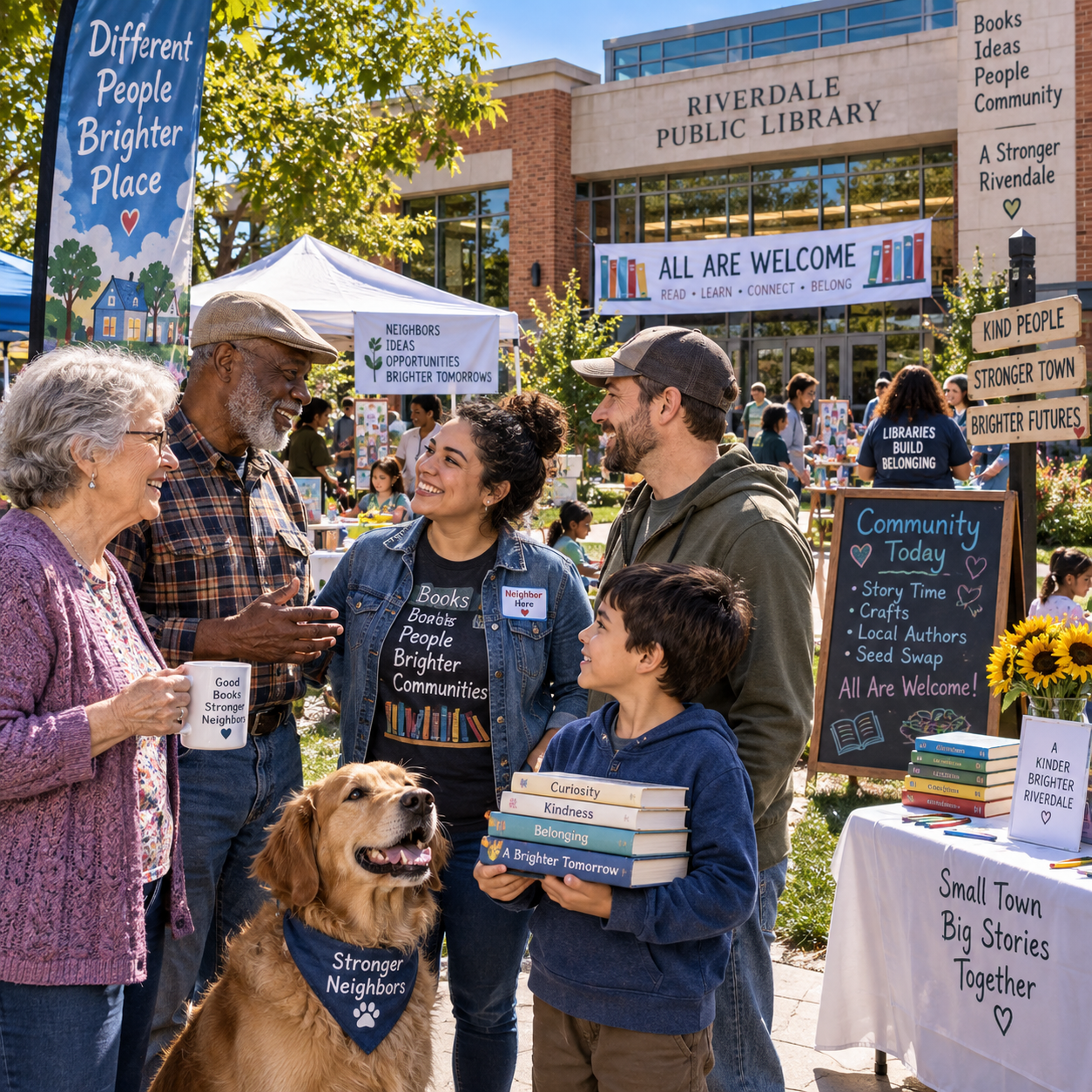
A neighborhood feels more welcoming when people recognize one another, have places to gather, and know where to turn for local help. Community programs create regular, low-pressure chances to meet through shared activities, from library clubs to recreation classes and volunteer projects.
These programs cannot guarantee close friendships or remove isolation for everyone. They can, however, make it easier to start conversations, find common interests, and become familiar with the people and services nearby.
Why social connections matter in a neighborhood
Social connections help residents feel more familiar with their neighborhood and more comfortable asking for or offering everyday support. Regular contact can build a sense of belonging, even when people have different backgrounds, schedules, or interests.
A connection may begin with a brief exchange: greeting another parent at a children’s activity, asking a neighbor about a gardening class, or seeing the same people at a weekly walking group. Repeated encounters give people a chance to move from recognition to conversation at a pace that feels natural.
Local relationships can also make practical life easier. Neighbors may share information about a nearby service, recommend a reliable repair person, or check in when someone has been absent from a regular activity. These everyday forms of support are valuable, but they should not be confused with professional services or guaranteed assistance.
Belonging grows through ordinary contact, not only through close friendships. For someone who has recently moved, retired, started caring for a family member, or changed routines, having a predictable place to go can make the area feel less unfamiliar.
How community programs bring neighbors together
Community programs bring neighbors together by giving them a shared activity and a reason to return. A common task or interest takes pressure off small talk, while regular attendance creates more opportunities to recognize and get to know other participants.
Consider a weekly cooking workshop. People might first focus on chopping vegetables or following a recipe; conversation can grow around ingredients, family traditions, or tips for preparing meals on a budget. A one-time event can be enjoyable, but a recurring program usually offers more chances to build familiarity.
The setting and format matter. Activities with a clear purpose, such as a craft project, community garden session, or board-game afternoon, can feel easier to join than an unstructured social gathering. Small groups and paired tasks can help newcomers take part without needing to introduce themselves to a room full of strangers.
Programs also work best when participation does not depend on spending money or having prior experience. Free or low-cost options, loaned equipment, and beginner-friendly instruction widen access. Still, one activity will not suit everyone. A varied calendar gives residents more than one route into neighborhood life.
The role of libraries and community centers
Public libraries and community centers offer familiar local spaces where people can take part in activities, find information, and meet others. By hosting programs close to where residents live, these community services can lower practical and social barriers to participation.
Libraries often provide more than books and study space. Depending on the location, they may host reading groups, storytimes, technology help, language practice, talks, or arts activities. A library program can welcome someone who is not yet ready for a dedicated social event because the building already has a clear, everyday purpose.
Community centers may have rooms and facilities for recreation activities, classes and workshops, youth programs, cultural events, and neighborhood meetings. Their range can support different stages of life: a toddler music session in the morning, an after-school club in the afternoon, and an adult fitness or craft class in the evening.
Accessibility is central to the value of these spaces. Convenient locations, clear program information, welcoming staff, and options for different budgets can make it easier to try something new. Capacity, staffing, transportation, and room availability still limit what a local organization can offer, so checking details before attending is helpful.
Programs that help people connect
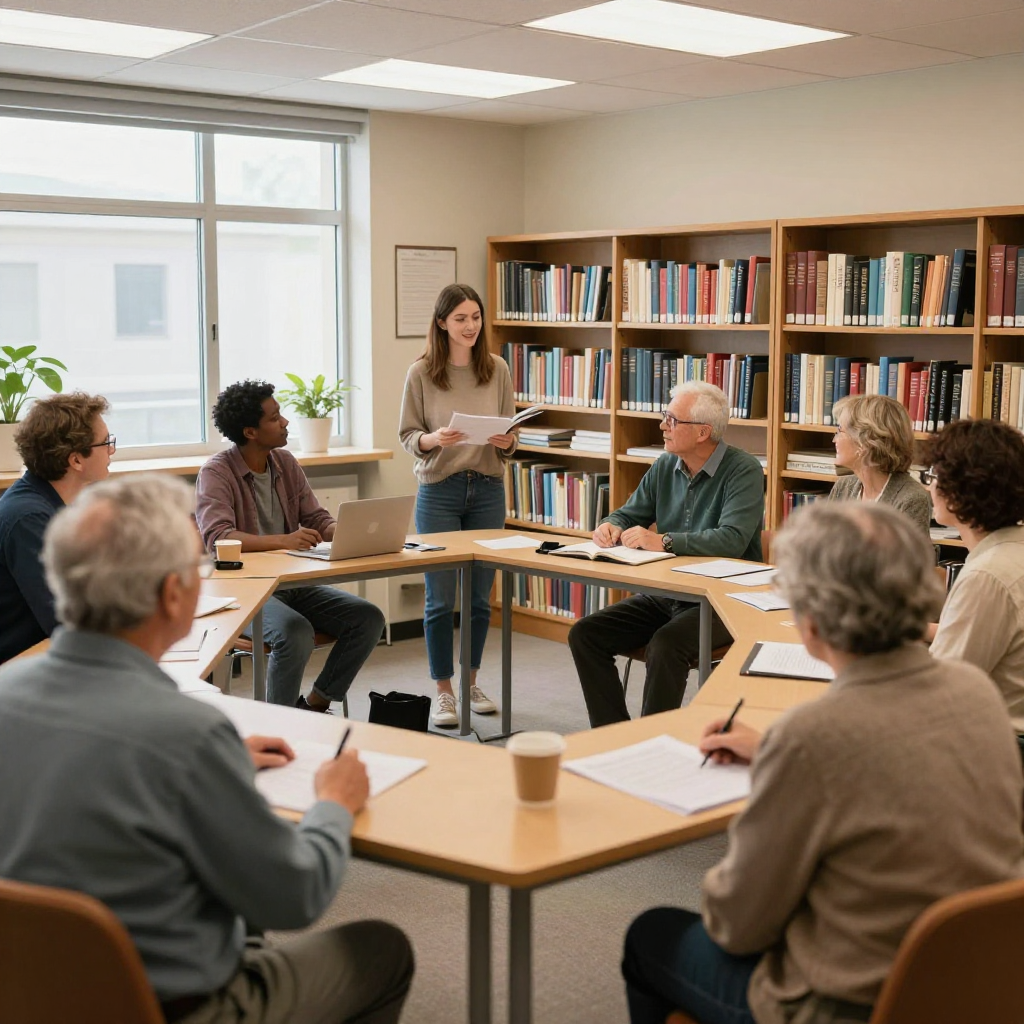
Programs that help people connect include recurring clubs, classes, recreation activities, cultural events, and volunteer opportunities. The strongest fit is usually an activity that matches a resident’s interests, schedule, access needs, and preferred level of social interaction.
- Interest-based clubs: Book groups, chess meetups, knitting circles, and gardening clubs give people an easy topic to share and a reason to come back.
- Classes and workshops: Art, cooking, language, music, and practical-skills sessions help participants learn together. Beginner-friendly formats make it easier to join without feeling behind.
- Recreation activities: Walking groups, dance sessions, team sports, and drop-in games combine movement with conversation. Adapted activities can include residents with different mobility or fitness levels.
- Cultural and neighborhood events: Storytelling, local history programs, seasonal gatherings, and community showcases let residents share traditions and discover what matters to others.
- Volunteer opportunities: Helping at a book sale, community garden, food collection, or local clean-up creates a shared task and a practical way to contribute.
- Intergenerational activities: Shared reading, craft sessions, oral-history projects, and technology exchanges can bring children, teens, adults, and older residents together around a common purpose.
Think of these options as different entry points rather than a ranking. Someone who finds a large festival overwhelming may prefer a small weekly class; another person may connect more easily while helping with a group project than while sitting in a discussion circle. Choice makes social inclusion more practical because residents can participate in ways that suit them.
Making programs welcoming to more residents
Programs welcome more residents when they remove avoidable barriers and make first visits feel straightforward. Clear information, accessible spaces, varied activities, and a friendly greeting can help people decide whether to participate and return.
Organizers can start with the basics: list the cost, location, transit or parking details, age range, language, accessibility features, and whether registration is required. If a room has limited capacity or equipment is needed, say so in advance. Unclear expectations can make an otherwise welcoming program difficult to try.
Scheduling matters too. Offering a mix of daytime, evening, and weekend sessions may serve residents with different work and caregiving routines, although staffing and room access can limit the options. When possible, ask participants which times and formats work for them instead of assuming one schedule fits the whole neighborhood.
A warm first-time experience does not require a complicated welcome plan. A greeter can explain where to sit, introduce the activity, and point out restrooms or quiet spaces. Facilitators can offer a simple role to newcomers, while making it equally acceptable to observe before joining in.
It also helps to avoid treating any group as if it has one shared need. Residents may differ by age, disability, language, income, culture, confidence, and familiarity with the area. Ask for feedback, make reasonable adjustments, and be clear about the limits of what the program can provide.
How to get involved in your community
To get involved in your community, find a nearby program, choose one that fits your interests and practical needs, and try a low-pressure first visit. You can also support a program by volunteering, sharing information, or helping organizers understand what residents need.
- Look in familiar places. Check the public library and community center calendars, local government recreation listings, noticeboards, and neighborhood newsletters. Ask staff whether programs require registration or have a waitlist.
- Choose one realistic option. Consider the location, cost, schedule, accessibility, and group size. A single-session workshop or drop-in activity can be a manageable first step.
- Contact the organizer with practical questions. Ask what happens during a typical session, whether beginners are welcome, and what to bring. If you have an access need, ask what accommodations are available.
- Give the activity more than one try when possible. Familiarity often takes repeated visits. If the group or format is not a fit after a fair try, choose another program rather than assuming all local activities will feel the same.
- Contribute at your own level. You might help set up chairs, recommend a workshop topic, welcome participants, or simply attend regularly. Organizers benefit from specific, respectful feedback.
For a shy newcomer, arriving a few minutes early can make it easier to speak with the facilitator before the room fills. Bringing a friend may help too, though going alone can also create an opportunity to meet someone new. There is no required pace: listening, observing, and returning later all count as participation.
When neighbors have welcoming places to gather and useful reasons to return, small interactions have room to grow. A library club, recreation class, community-center workshop, or volunteer shift can be a practical first step toward feeling more connected to the people and places around you.